close

April 25, 2026

Blackjack

Managing Table Dynamics: Dealing With Difficult Blackjack Players

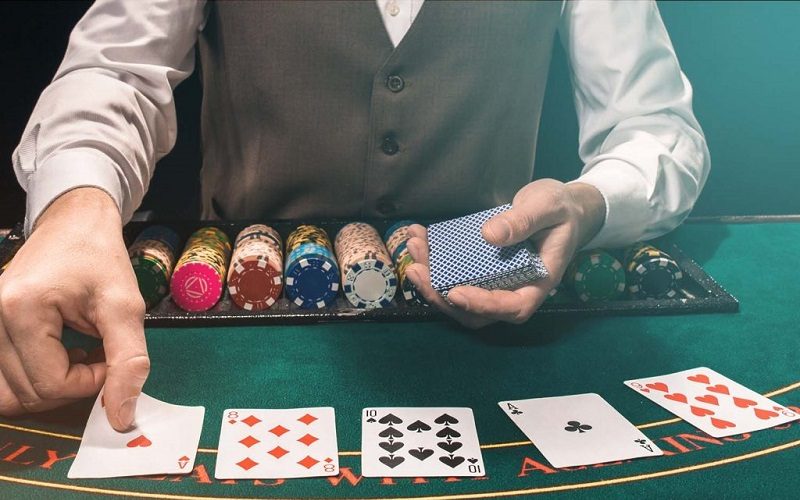
Every regular casino visitor knows the scenario. You have settled into a steady rhythm, basic strategy is flowing automatically, and the dealer is running a clean, efficient shoe. Then someone stumbles into an open seat. Within two minutes, drinks are spilling near the felt, bets are sliding across the layout past the cutoff point, and every loss is met with verbal hostility directed at the dealer or fellow players.
While blackjack is mechanically a contest between individual players and the house, the shared physical space makes it an inherently social game. A single disruptive participant can fracture the tempo, distort your mental discipline, and turn a calculated gaming session into an endurance test. Handling these situations requires a clear framework that blends psychological neutrality, casino protocol, and tactical bankroll protection.

The Mental Tax of a Disrupted Table

Disruptive behavior at a blackjack table is rarely just an annoyance; it is an active hazard to your decision-making. High-stress social environments trigger subtle behavioral shifts, often prompting players to alter their approach without realizing it.

The Fallacy of the Stolen Card

Aggressive players frequently fixate on the actions of others, particularly whoever occupies third base. When someone plays against textbook basic strategy—such as hitting a twelve against a dealer four—and takes a bust card that would have broken the dealer, volatile players treat that play as personal theft.
The underlying mathematics remain unchanged: an erratic player is just as statistically likely to help the table as they are to hurt it over an infinite sample size. However, logic rarely pacifies an intoxicated or emotional gambler. Internalizing that their complaints are rooted in superstition rather than probability helps you remain unbothered by their vocal outbursts.

Preventing Table Tilt

The primary danger of an aggressive neighbor is tilt. Exposure to relentless complaining, aggressive chip slamming, or loud critiques creates cognitive noise. Under pressure, many otherwise disciplined players make hasty decisions to avoid drawing attention, skip optimal double downs to dodge criticism, or play faster than their comfort level dictates. Recognizing that your focus is being compromised is the first step toward reclaiming control of your hand.

De-Escalation Through Polite Indifference

Engaging an intoxicated or combative player in an intellectual debate is a losing proposition. Alcohol impairs impulse control, while gambling losses amplify defensive aggression. The most effective interpersonal tool at the table is intentional neutrality.
Maintain your physical posture without projecting defiance or nervousness. Avoid prolonged eye contact, which aggressive individuals often interpret as an invitation to spar. If an intoxicated player comments on your play or demands to know why you played a hand a certain way, respond with brief, noncommittal phrases such as “Just following my gut tonight” or a simple, polite nod before looking back toward the dealer.
Never attempt to teach basic strategy to an agitated person. Correcting someone’s flawed assumptions about card distributions only deepens their frustration and prolongs the confrontation. By offering zero social friction and zero emotional validation, you make yourself an unrewarding target for their aggression.
Protect your personal space and your bankroll concurrently. Intoxicated players routinely lose track of their chip placement, knock over beverage cups, or reach into neighboring betting circles. Keep your chip stacks tidy, slightly retracted toward your side of the rail, and rest your hands away from contested felt real estate.

Leveraging Casino Personnel Without Creating Drama

Casinos operate under strict regulatory and operational standards designed to maintain order and protect their gaming license. Dealers and floor supervisors deal with unruly patrons daily, but their ability to act often depends on protocol and clear boundaries.

Understanding the Dealer’s Constraints

The dealer is your first line of operational management, but they operate under rigid behavioral constraints. A dealer cannot simply tell a rude guest to leave; their primary responsibility is tracking cards, securing chips, and dealing accurately. Engaging the dealer in an open dispute about another player puts them in an uncomfortable position and may escalate the tension.
Instead, observe the dealer’s signals. Experienced dealers will slow the pace, verify bets verbally with excessive clarity, and intentionally catch the eye of the floor supervisor when a patron becomes unmanageable. Support this process by placing your bets cleanly, keeping your hand gestures deliberate, and allowing the dealer to control the mechanics of the game.

Signaling the Floor Supervisor

When a player crosses the line from mildly obnoxious to actively abusive, personal intervention is counterproductive. You should never threaten to call security out loud; doing so shifts the disruptive player’s hostility directly onto you.
Look for a natural break in play—such as during a shuffle, while cards are being cut, or when taking a quick break from your seat—to step slightly back from the table. Speak quietly to the pit boss or floor supervisor away from the patron’s direct line of sight. Frame the issue around operational disruption or harassment rather than personal annoyance:
  • Mention if the player is touching cards inappropriately in a pitch game.
  • Point out repeatedly missed betting deadlines or bets placed after cards are out.
  • Report direct personal insults, discriminatory language, or physical intimidation.
Floor personnel prioritize table safety and game integrity above all else. When informed that a player is compromising the operational flow or harassing customers, supervisors will issue formal warnings, monitor the table directly, or instruct security to cut off alcohol service and escort the patron out.

Tactical Adjustments to Protect Your Bankroll

If casino intervention is slow or you prefer to manage the situation independently, several tactical adjustments allow you to insulate your funds while remaining in control.
Take advantage of table mechanics to alter the cadence of the game. If house rules allow, sit out a hand or two by sliding your chips behind your betting circle and placing a hand palm-down to indicate you are resting. Disruptive players thrive on momentum; breaking the rhythm often causes an impatient, aggressive gambler to color up and seek faster action elsewhere.
Another effective approach is moving to a different seat at the same table if an opening exists. Relocating away from an agitated player puts physical distance between your chips and their erratic movements, reducing verbal interaction to background noise.

Knowing When to Walk Away

The ultimate advantage you possess as an independent player is total mobility. You are never obligated to endure a toxic environment, regardless of how positive the shoe feels or how long you planned to stay.
Staying at a table that drains your mental stamina carries a tangible cost. Emotional fatigue degrades decision quality, accelerates bankroll depletion, and turns recreational entertainment into unwanted stress. If the pit staff fails to address egregious behavior, or if the overall atmosphere makes disciplined play impossible, color up your chips calmly.
Find a different table with an open seat, consider stepping up to a slightly higher minimum limit where casual intoxication is less prevalent, or take a twenty-minute break away from the gaming floor entirely. Leaving a volatile table is not a concession to a bully; it is a calculated, professional decision to preserve your emotional composure and protect your capital.
read more
Bingo

The Unspoken Rules of Saving Seats in Crowded Bingo Halls

Step into any bustling bingo parlor on a Friday night twenty minutes before the early bird game, and the atmosphere feels deceptively casual. Steam rises from styrofoam coffee cups, the concession stand churns out hot dogs, and the rhythmic clatter of plastic balls warming up in the blower provides steady background noise. Yet beneath this neighborly surface lies an intricate, fiercely defended social contract regarding space.
In a crowded hall, a folding chair is rarely just a piece of metal and vinyl. To the players who fill these rooms week after week, seating represents superstition, sightlines, routine, and status. While house rules posted on the wall rarely say much beyond “management reserves the right to seat players,” an elaborate set of unwritten protocols dictates who can claim a spot, how long they can hold it, and what happens when an unwitting newcomer crosses the line.

The Weight of Seniority and De Facto Real Estate

To understand seat reservation in a bingo hall, one must first recognize the concept of historical ownership. Regular players often occupy the exact same chair at the exact same folding table for five, ten, or twenty years. They know the acoustics of the room, the distance to the smoke break area, the speed of the floor runners, and which fluorescent bulb above the table has a slight flicker.
In the minds of the veteran contingent, consistent attendance transforms public property into personal territory. When an infrequent visitor or a novice player arrives early and unknowingly sits in a space occupied by a decades-long patron, friction is instantaneous.
Technically, open-seating halls operate on a first-come, first-served basis. Socially, ignoring established tenure is viewed as a breach of community etiquette. Experienced players arriving at an unfamiliar venue look for visual cues before pulling out a chair. If a table looks empty but sits right in the direct eye line of the main caller stand with worn tape marks on the floor, chances are it has a dedicated tenant who is currently in line for paper packs or fresh pull-tabs.

The Hierarchy of Place Markers

How a player marks an empty chair separates acceptable etiquette from amateur behavior. A bare chair surrounded by a vacuum of space is considered up for grabs, but regular patrons have turned temporary place-holding into an art form.
Not all place markers carry equal authority in the room:
  • The High-Commitment Setup: A multi-pocket bingo bag slung over the chair back, accompanied by an orthopedic seat cushion strapped to the base, represents an ironclad reservation. Adding a row of six color-coded ink daubers stood upright on the laminate surface elevates the claim to indisputable. Touching or moving this gear is the bingo equivalent of trespassing.
  • The Personal talisman: Seasoned players rarely travel without their good-luck charms. A ring of miniature plastic trolls, a specific pocket rosary, porcelain elephants facing the door, or a small battery-operated desk fan left humming on the table signals that someone has already staked their ground and will return shortly.
  • The Weak Claim: Leaving a single paper napkin, an empty beverage can, or a plain jacket draped over a backrest is widely seen as an ambiguous, second-tier effort. In a standing-room-only session where dozens of players are searching for seats, flimsy markers invite skepticism. If someone leaves an ambiguous token, neighboring players are frequently asked whether the seat is genuinely taken or merely cluttered.

The Limits of Proxy Reservation

One of the sharpest points of contention in a full house is the practice of reserving real estate for people who have not yet entered the building.
The social code allows for temporary absence. Stepping away from your table to buy extra game sheets, visit the restroom, order food, or purchase door prizes is universally respected, provided your cards or gear are visible. A player is considered anchored to their station.
Problems arise when a single early arrival attempts to monopolize an entire six-person banquet table for companions who are still navigating rush-hour traffic. While holding a single adjoining seat for a spouse or a regular partner is generally tolerated, reserving blocks of seating for absent players is considered bad form.
As the countdown clock ticks closer to the first number call and the perimeter of the hall fills with standing patrons holding their game books, the social pressure builds. When space runs out, empty chairs held by coats or purses become fair game. The unwritten standard dictates that if your party is not in the room by the time the caller conducts the audio check, you are obligated to release the surplus seats to players actively looking for a surface to play on.

The Mechanics of Sightlines and Sensory Comfort

The fierce protection of seats is not merely an exercise in ego; it is directly tied to the physical demands of high-concentration gameplay. A serious player might manage thirty to forty-eight faces simultaneously during a speed round. In that environment, small environmental factors dictate whether a player keeps pace or miscalculates a call.

Visual Anchors

Players rely heavily on continuous visual confirmation from the electric flashboards mounted on the walls. If a support pillar, a low-hanging exit sign, or an unusually tall player obstructs the board, tracking ball numbers becomes significantly more taxing. Seasoned players choose specific seats because the angle to the board matches their natural reading posture.

Audio Clarity

Acoustics in volunteer fire halls, fraternal lodges, and old community gyms are notoriously inconsistent. Certain corners trap reverberation, while spots directly under aged loudspeaker horns can be deafening. Regulars sit where the caller’s voice comes through clearly without distortion, reducing the risk of missing a split-second number call on a progressive jackpot.

Handling Inadvertent Encroachment with Grace

For newcomers or occasional players, walking into a packed room can feel intimidating. Navigating the seating puzzle without sparking an argument requires situational awareness and a cooperative approach.
If you find an apparently open chair, the proper protocol is never to sit down immediately without speaking. Look to the people seated immediately to the left and right, make eye contact, and ask directly whether anyone is sitting there. If a regular is holding the spot for a companion who is currently in the snack bar line, they will inform you immediately. Asking beforehand shows respect for the room and avoids the embarrassment of having your supplies moved when the rightful occupant returns.
Should you inadvertently take a seat that turns out to have an established historical claimant, stubbornness is rarely worth the lingering discomfort. Even if the house rules technically support your right to stay, playing a three-hour session enveloped in silent hostility from surrounding regulars ruins the enjoyment of the game. A polite nod, a quick gathering of your markers, and a calm relocation to another part of the hall keeps the room peaceful and often earns quiet respect from nearby observers.

The Shared Rhythm of the Hall

Every bingo hall operates as a self-regulating subculture with its own traditions, folklore, and unspoken boundaries. The territorial defense of chairs and tables might strike an outsider as excessive, but it is ultimately an expression of pride and routine for people who view the hall as their third place away from home and work.
By recognizing the markers of established turf, keeping proxy holds to a sensible minimum, and treating the surrounding players with practical courtesy, any visitor can easily blend in. Once the balls begin rolling and the first numbers echo across the speakers, personal territorial squabbles melt away into the collective, focused silence that defines the game.
read more