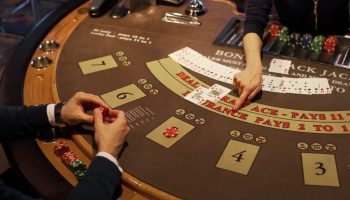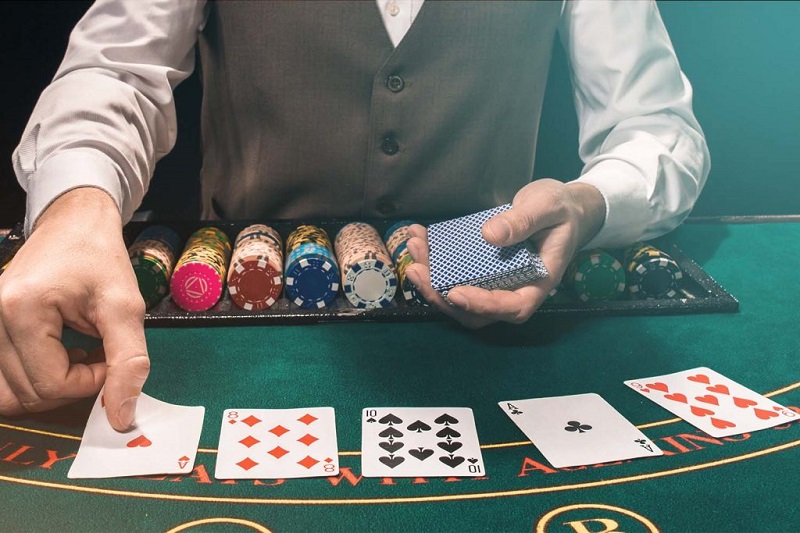
Every regular casino visitor knows the scenario. You have settled into a steady rhythm, basic strategy is flowing automatically, and the dealer is running a clean, efficient shoe. Then someone stumbles into an open seat. Within two minutes, drinks are spilling near the felt, bets are sliding across the layout past the cutoff point, and every loss is met with verbal hostility directed at the dealer or fellow players.
While blackjack is mechanically a contest between individual players and the house, the shared physical space makes it an inherently social game. A single disruptive participant can fracture the tempo, distort your mental discipline, and turn a calculated gaming session into an endurance test. Handling these situations requires a clear framework that blends psychological neutrality, casino protocol, and tactical bankroll protection.
The Mental Tax of a Disrupted Table
Disruptive behavior at a blackjack table is rarely just an annoyance; it is an active hazard to your decision-making. High-stress social environments trigger subtle behavioral shifts, often prompting players to alter their approach without realizing it.
The Fallacy of the Stolen Card
Aggressive players frequently fixate on the actions of others, particularly whoever occupies third base. When someone plays against textbook basic strategy—such as hitting a twelve against a dealer four—and takes a bust card that would have broken the dealer, volatile players treat that play as personal theft.
The underlying mathematics remain unchanged: an erratic player is just as statistically likely to help the table as they are to hurt it over an infinite sample size. However, logic rarely pacifies an intoxicated or emotional gambler. Internalizing that their complaints are rooted in superstition rather than probability helps you remain unbothered by their vocal outbursts.
Preventing Table Tilt
The primary danger of an aggressive neighbor is tilt. Exposure to relentless complaining, aggressive chip slamming, or loud critiques creates cognitive noise. Under pressure, many otherwise disciplined players make hasty decisions to avoid drawing attention, skip optimal double downs to dodge criticism, or play faster than their comfort level dictates. Recognizing that your focus is being compromised is the first step toward reclaiming control of your hand.
De-Escalation Through Polite Indifference
Engaging an intoxicated or combative player in an intellectual debate is a losing proposition. Alcohol impairs impulse control, while gambling losses amplify defensive aggression. The most effective interpersonal tool at the table is intentional neutrality.
Maintain your physical posture without projecting defiance or nervousness. Avoid prolonged eye contact, which aggressive individuals often interpret as an invitation to spar. If an intoxicated player comments on your play or demands to know why you played a hand a certain way, respond with brief, noncommittal phrases such as “Just following my gut tonight” or a simple, polite nod before looking back toward the dealer.
Never attempt to teach basic strategy to an agitated person. Correcting someone’s flawed assumptions about card distributions only deepens their frustration and prolongs the confrontation. By offering zero social friction and zero emotional validation, you make yourself an unrewarding target for their aggression.
Protect your personal space and your bankroll concurrently. Intoxicated players routinely lose track of their chip placement, knock over beverage cups, or reach into neighboring betting circles. Keep your chip stacks tidy, slightly retracted toward your side of the rail, and rest your hands away from contested felt real estate.
Leveraging Casino Personnel Without Creating Drama
Casinos operate under strict regulatory and operational standards designed to maintain order and protect their gaming license. Dealers and floor supervisors deal with unruly patrons daily, but their ability to act often depends on protocol and clear boundaries.
Understanding the Dealer’s Constraints
The dealer is your first line of operational management, but they operate under rigid behavioral constraints. A dealer cannot simply tell a rude guest to leave; their primary responsibility is tracking cards, securing chips, and dealing accurately. Engaging the dealer in an open dispute about another player puts them in an uncomfortable position and may escalate the tension.
Instead, observe the dealer’s signals. Experienced dealers will slow the pace, verify bets verbally with excessive clarity, and intentionally catch the eye of the floor supervisor when a patron becomes unmanageable. Support this process by placing your bets cleanly, keeping your hand gestures deliberate, and allowing the dealer to control the mechanics of the game.
Signaling the Floor Supervisor
When a player crosses the line from mildly obnoxious to actively abusive, personal intervention is counterproductive. You should never threaten to call security out loud; doing so shifts the disruptive player’s hostility directly onto you.
Look for a natural break in play—such as during a shuffle, while cards are being cut, or when taking a quick break from your seat—to step slightly back from the table. Speak quietly to the pit boss or floor supervisor away from the patron’s direct line of sight. Frame the issue around operational disruption or harassment rather than personal annoyance:
-
Mention if the player is touching cards inappropriately in a pitch game.
-
Point out repeatedly missed betting deadlines or bets placed after cards are out.
-
Report direct personal insults, discriminatory language, or physical intimidation.
Floor personnel prioritize table safety and game integrity above all else. When informed that a player is compromising the operational flow or harassing customers, supervisors will issue formal warnings, monitor the table directly, or instruct security to cut off alcohol service and escort the patron out.
Tactical Adjustments to Protect Your Bankroll
If casino intervention is slow or you prefer to manage the situation independently, several tactical adjustments allow you to insulate your funds while remaining in control.
Take advantage of table mechanics to alter the cadence of the game. If house rules allow, sit out a hand or two by sliding your chips behind your betting circle and placing a hand palm-down to indicate you are resting. Disruptive players thrive on momentum; breaking the rhythm often causes an impatient, aggressive gambler to color up and seek faster action elsewhere.
Another effective approach is moving to a different seat at the same table if an opening exists. Relocating away from an agitated player puts physical distance between your chips and their erratic movements, reducing verbal interaction to background noise.
Knowing When to Walk Away
The ultimate advantage you possess as an independent player is total mobility. You are never obligated to endure a toxic environment, regardless of how positive the shoe feels or how long you planned to stay.
Staying at a table that drains your mental stamina carries a tangible cost. Emotional fatigue degrades decision quality, accelerates bankroll depletion, and turns recreational entertainment into unwanted stress. If the pit staff fails to address egregious behavior, or if the overall atmosphere makes disciplined play impossible, color up your chips calmly.
Find a different table with an open seat, consider stepping up to a slightly higher minimum limit where casual intoxication is less prevalent, or take a twenty-minute break away from the gaming floor entirely. Leaving a volatile table is not a concession to a bully; it is a calculated, professional decision to preserve your emotional composure and protect your capital.