Introduction
In the high-pressure environment of professional poker, every decision at the table is a delicate dance between logic, intuition, and deception. Winning consistently is not just about understanding mathematics or strategy—it’s about mastering psychological manipulation. Among all advanced techniques, bluffing is the most artful and misunderstood. It’s not simply about pretending to have a strong hand; it’s about controlling what your opponent believes you have. The best players know that poker is a mental battlefield, and bluffing is their most potent weapon.
Understanding the Psychology Behind a Bluff
At its core, bluffing is a psychological illusion built on perception and timing. When executed correctly, it causes opponents to question their assumptions, their reads, and even their instincts. Successful bluffing leverages human psychology—particularly our biases toward consistency, fear, and confidence. Players naturally look for patterns; they trust what they see more than what they think. A skilled bluffer manipulates these tendencies, presenting a believable story that fits into an opponent’s mental framework.
A key concept in bluffing psychology is cognitive dissonance—the discomfort players feel when information contradicts their expectations. When your actions at the table don’t align with the hand they assume you have, they hesitate, doubt, and make mistakes. The bluffer’s goal is to trigger this uncertainty while maintaining emotional stability and control.
The Core Components of a Successful Bluff
1. The Story You Tell
Every hand tells a story through your betting behavior. A believable bluff follows a narrative that matches what a strong hand would logically do. If your betting pattern feels inconsistent with your supposed strength, observant opponents will sense deception. The best bluffs evolve naturally—each move reinforcing the illusion. For example, betting aggressively on the flop and continuing on the turn suggests you’re holding a made hand or a strong draw, even if you’re not.
2. Timing and Table Awareness
Timing separates reckless bluffing from professional deception. Knowing when to bluff is far more important than knowing how. Expert players study table dynamics, stack sizes, and opponent tendencies before deciding to act. Bluffing into a player who never folds is a mistake, while bluffing against a cautious or risk-averse opponent is often highly effective. The more information you gather about your opponents’ patterns, the more surgical your bluffs become.
3. Emotional Neutrality
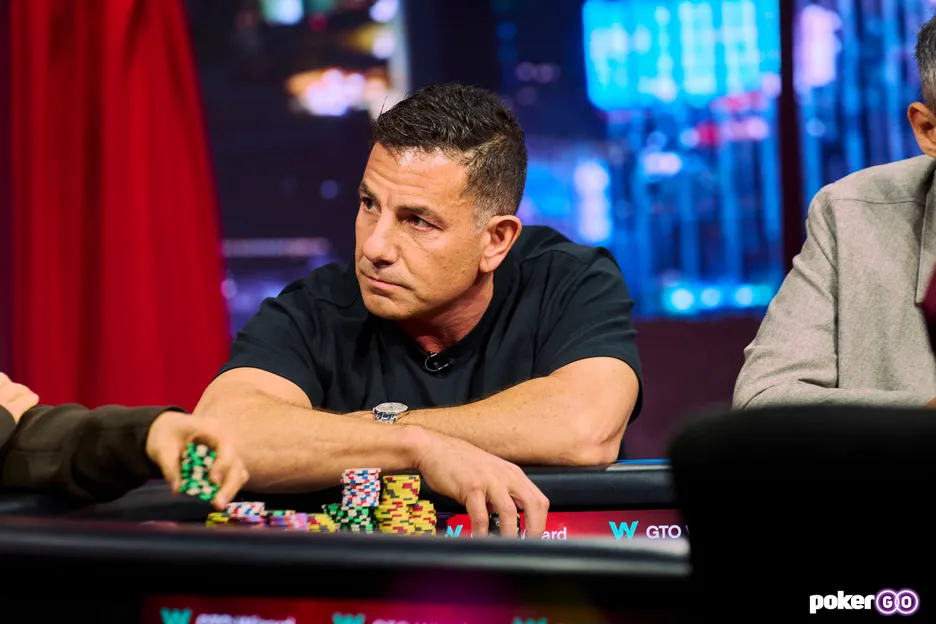
The hallmark of a world-class bluffer is the ability to remain emotionally steady. Bluffing under pressure demands emotional neutrality—no shaking hands, no irregular breathing, no unintentional smiles. Professionals use advanced techniques like controlled breathing, micro-movement regulation, and even eye contact manipulation to project confidence and consistency. A calm demeanor reinforces your story, while emotional leaks—like nervous gestures or inconsistent tone—betray you.
4. Bet Sizing as a Psychological Weapon
Bet sizing communicates strength or weakness more loudly than words. Small bets often appear probing or uncertain, while large bets project confidence. However, expert players reverse this psychology—sometimes using overbets as intimidation tools or underbets to bait opponents into action. The most powerful bluffs disguise bet sizing within a believable pattern, creating a sense of logical progression.
5. Table Image Manipulation
Your table image—how others perceive your play style—directly impacts your bluffing success. If you’ve been tight and conservative for several orbits, a sudden aggressive move will likely earn respect. Conversely, if you’ve been caught bluffing recently, even a legitimate strong hand may be doubted. Elite players engineer their image across sessions, blending real plays with deception to create uncertainty in opponents’ minds.
Advanced Bluffing Techniques in Professional Play
The Semi-Bluff
Unlike a pure bluff, a semi-bluff involves holding a drawing hand with potential to improve. It’s a psychological and mathematical hybrid. You’re pressuring your opponent into folding now while retaining equity if called. Semi-bluffs demonstrate controlled aggression and are used frequently in tournament poker to build stack momentum without full risk exposure.
The Reverse Tell
Some professionals intentionally display “false tells”—behaviors meant to mislead observant opponents. For instance, a player might sigh heavily or act frustrated before pushing all-in with a monster hand, manipulating perception. This technique works best against experienced players who overanalyze behavioral cues. It’s an advanced bluffing form that turns opponents’ strengths—reading skills—into weaknesses.
The Polarized Range Bluff
Top-tier players bluff using polarized ranges, representing either the nuts or complete air. This binary image forces opponents into difficult decisions since middle-strength hands become unprofitable to call. By strategically mixing bluffs with value bets, players create indistinguishable betting patterns, preventing opponents from reading them accurately.
The Multi-Street Bluff
A multi-street bluff is one of the most psychologically demanding plays in poker. It requires a consistent story from the flop through the river, maintaining the illusion of strength across multiple betting rounds. The danger lies in overcommitting to a narrative that doesn’t align with the board texture. Professionals pull off multi-street bluffs only when the board and opponent tendencies support the deception.
The Role of Emotional Intelligence in Bluffing
Bluffing isn’t just about tricking others—it’s also about managing yourself. High-stakes players cultivate emotional intelligence (EQ) to read subtle expressions, identify frustration, and sense indecision. They use empathy strategically, observing not just how opponents play but why they make certain moves. Emotional intelligence also helps resist tilt—the emotional reaction to losing a big pot or failed bluff. A player who loses emotional control becomes predictable, and predictability kills bluffing efficiency.
Avoiding the Pitfalls of Over-Bluffing
Bluffing is powerful, but overuse turns it into a weakness. Many players fall into the trap of believing they can outplay everyone at the table, leading to excessive aggression and predictable patterns. The golden rule of bluffing is balance—use it to complement strong hands, not replace them. The best professionals maintain a calculated bluff frequency, ensuring opponents can never confidently label them as aggressive or passive.
The Mind Game Beyond the Cards
In the highest-stakes games, poker transcends simple strategy—it becomes psychological theater. Players aren’t just playing the cards; they’re playing the person. Every chip movement, every glance, and every hesitation becomes data. Bluffing, when executed with mastery, is the performance of absolute control. It’s about projecting dominance while remaining unreadable, maintaining calm amidst chaos, and using human psychology as your sharpest weapon.
FAQs About Bluffing in Poker
1. How often should a player bluff in high-stakes poker?
There’s no fixed number; it depends on opponents, table dynamics, and your image. Professional players often bluff around 20–30% of their hands, but this varies widely depending on the situation.
2. What’s the difference between a bluff and a semi-bluff?
A bluff has no chance of winning if called, while a semi-bluff retains equity through potential draws, giving it both psychological and statistical merit.
3. Can bluffing work against inexperienced players?
Not always. Beginners often call too frequently, making them poor targets for complex bluffs. Bluffing works best against opponents who think logically about ranges and probabilities.
4. How do professionals control their emotions while bluffing?
They practice mindfulness, breathing regulation, and emotional conditioning. Years of experience help them mask physical tells and maintain consistent composure.
5. Is online bluffing different from live bluffing?
Yes. Online poker removes physical cues, relying instead on timing, betting patterns, and statistics. Live poker involves body language, tone, and presence, which add extra psychological layers.
6. What’s the most common mistake players make when bluffing?
The biggest mistake is bluffing without a plan. Random or emotion-driven bluffs lack credibility. Each bluff must fit into a logical narrative consistent with the player’s previous actions.
7. How can a player detect when they’re being bluffed?
Look for inconsistencies in betting behavior, unnatural hesitation, or mismatched board textures. A good rule is to trust logic over emotion—if the story doesn’t make sense, it probably isn’t true.